Start with the alteration framework, not social media
Indian vehicle rules are a combination of central legislation, rules, notifications, registration practice and enforcement—not a single universal list of approved accessories.
Section 52 of the Motor Vehicles Act is commonly relevant to vehicle alterations. Its exact current text, exceptions, amendments and application should be read on India Code and discussed with the registering authority when a change affects the particulars or basic features of the vehicle. A short online summary is not enough for a structural, engine, fuel, chassis, seating or other registered-detail decision.
The Central Motor Vehicles Rules and later notifications cover technical and road-use matters including vehicle equipment and markings. State or local enforcement can affect the practical question you face on the road, while an insurer and manufacturer may make separate decisions about cover or warranty. Approval in one context does not automatically settle the others.
This guide therefore uses a decision process. It does not declare a specific part legal. The safest order is: identify the exact change, check whether it affects registration details or prescribed equipment, find the current official text, obtain authority or insurer confirmation where needed, then approve workshop work.
Classify the modification before assessing it
A cosmetic sticker, a replacement mirror, a fabricated subframe change and an ECU or exhaust change do not create the same questions. Begin by writing down the part, the original function, the new function, how it attaches, whether it changes registered particulars and whether required equipment is removed, obscured or combined.
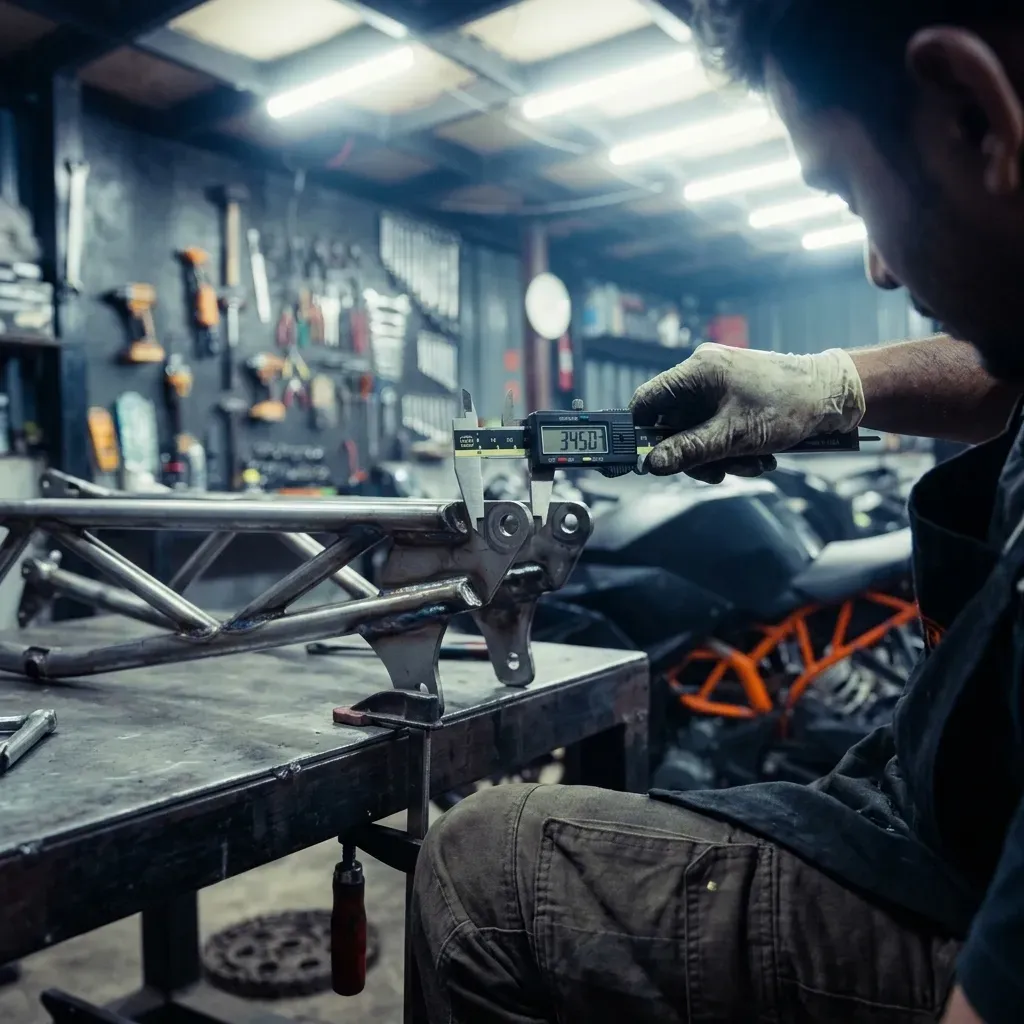
Changes that touch the chassis, frame, engine identity or capacity, fuel type, seating configuration, braking, steering, suspension geometry or other fundamental features deserve direct authority and qualified technical review. Avoid treating them as ordinary accessory work. Lighting, number plates, reflectors, mirrors, horn, tyres and exhaust may not change the registration record but can still be subject to equipment, performance or road-use requirements.
| Change category | Questions to ask | Evidence to retain |
|---|---|---|
| Registered or structural | Does it change a recorded particular or basic feature? | Authority guidance, approval and updated records where required |
| Safety-related equipment | Does it affect braking, steering, tyres, visibility or controls? | Specification, qualified installation record and inspection notes |
| Lighting and plate | Are required functions, colour, position and visibility retained? | Part details, photographs and current rule reference |
| Powertrain, exhaust or ECU | Could emissions, noise, insurance or warranty be affected? | Part/tune record, insurer response and applicable compliance documents |
| Cosmetic or ergonomic | Does it obscure equipment or interfere with operation? | Invoice, installation details and original parts |
Tail tidies, indicators, lamps and number plates
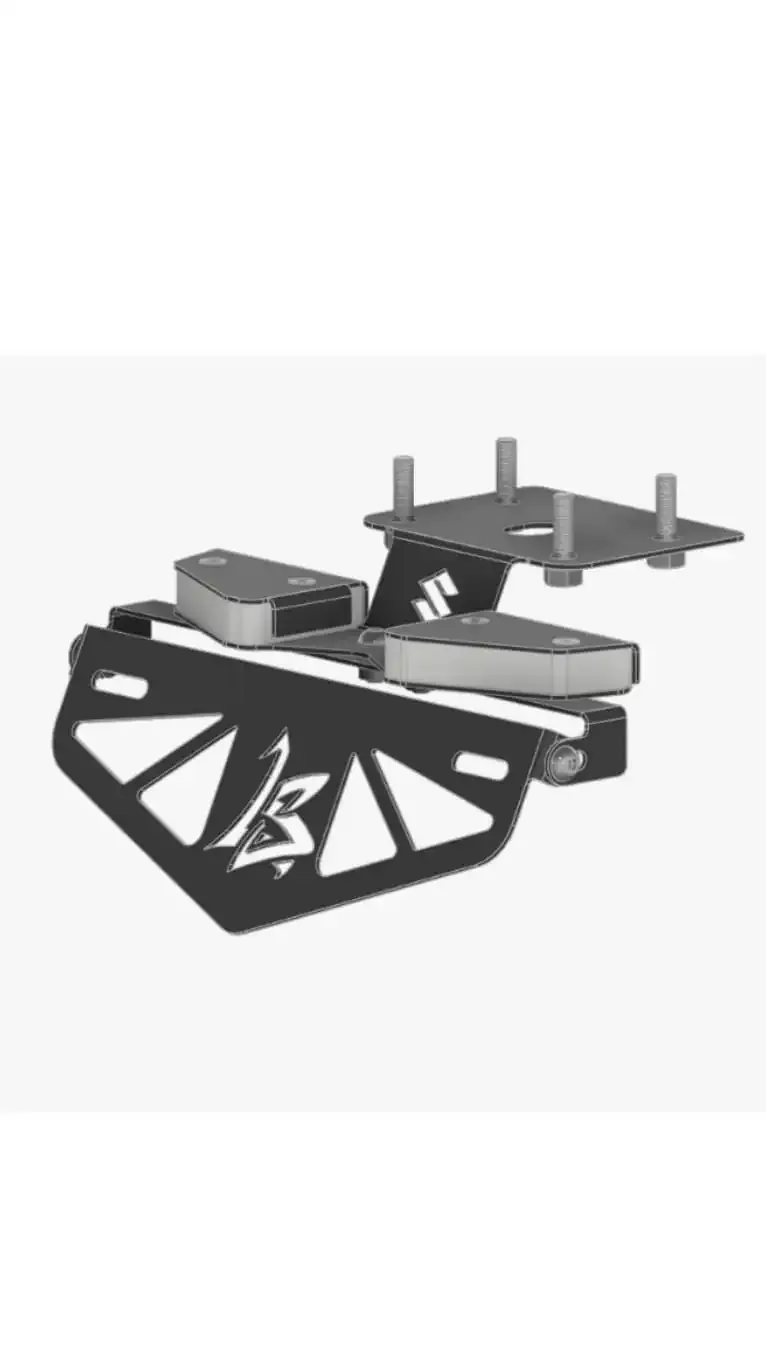
A tail tidy changes a visually sensitive area that also carries prescribed equipment. Consider the number plate’s size, format, mounting and visibility; the plate light; rear lamp and brake-light functions; indicators; reflectors; wiring; and whether luggage, bodywork or the tyre can obscure or damage them. A clean photograph taken directly behind the bike is not the only viewing condition that matters.
Integrated lighting can reduce visual clutter, but the rider should verify whether the selected arrangement meets current requirements for function, colour, separation, visibility and approval. A workshop can check installation and operation; it cannot convert an unsupported product claim into legal approval. Preserve required functions and ask for a clear explanation of what the selected unit combines.
Do not crop, stylize, fold, hide or relocate a number plate merely to make the rear profile smaller. Use the official High Security Registration Plate and registration requirements applicable to the vehicle. If a modification affects the plate or a prescribed lamp, verify before fabrication rather than after the final finish is applied.
Exhaust, intake, ECU, emissions and noise
An exhaust or calibration change can affect more than sound. It may affect emissions equipment, measured noise, engine behaviour, heat, insurance disclosure, warranty and the validity of a configuration that was approved or certified in a particular form. Removing or defeating emissions equipment should not be treated as a routine performance shortcut.
Ask what hardware remains, what is being changed in software, what fuel is assumed and what road or closed-course use is intended. Keep an accurate record of the configuration. A dyno result or smoother response is technical evidence about behaviour under a test; it is not by itself proof of legal road use, emissions compliance or insurance acceptance.
Noise enforcement is not resolved by a seller describing a product as “mild” or “street.” Check the current applicable standards and approval markings or documents, and understand that a modification may be evaluated as installed on the motorcycle rather than as an isolated component.
Insurance, warranty and finance are separate checks
Tell the insurer about material changes and ask how it wants them recorded. The insurer decides cover and claim handling under the policy; a workshop or parts seller cannot make that promise. Keep the written response, invoice, photographs and a list of parts. If the motorcycle is financed or leased, check the agreement before making irreversible changes.
Manufacturer warranty is another separate relationship. A modification does not need to be illegal to affect how a manufacturer evaluates a related warranty claim. Ask the authorized service or manufacturer for the position relevant to your bike and proposed change. Retaining the original component may help future discussion, but it does not guarantee that reversal restores every warranty or approval position.
- Describe the change accurately; do not call a performance or structural modification “cosmetic.”
- Ask whether accessory value needs to be declared or separately covered.
- Record who responded, when, and for which policy or vehicle.
- Keep original parts labelled and stored if practical.
A before-and-after modification checklist
Before work, photograph the motorcycle, registration plate area and existing equipment. Record the product identity, approval markings or documentation, workshop scope, electrical or mounting method and any authority or insurer response. Confirm whether original parts will be returned.
After work, check operation in daylight and darkness where relevant, mounting security, clearance through normal movement, cable or wiring strain, heat exposure and whether the number plate and prescribed equipment remain visible. Keep the invoice and final photographs with the vehicle records. If the change is required to be recorded or inspected, complete that step rather than relying on the workshop invoice alone.
If the answer is unclear, pause. It is cheaper to resolve a requirement before cutting, welding, painting or remapping than to reverse a finished modification later.
- Define: exact part, function, attachment and intended use.
- Verify: India Code, MoRTH/Parivahan material, registering authority, insurer and manufacturer as relevant.
- Document: product details, approvals, scope, invoice and photographs.
- Inspect: required functions, mounting, visibility, clearance and service access.
- Retain: original parts and written responses where practical.
Official references to check
Requirements and official pages can change. Open the current source before making a road-use decision.