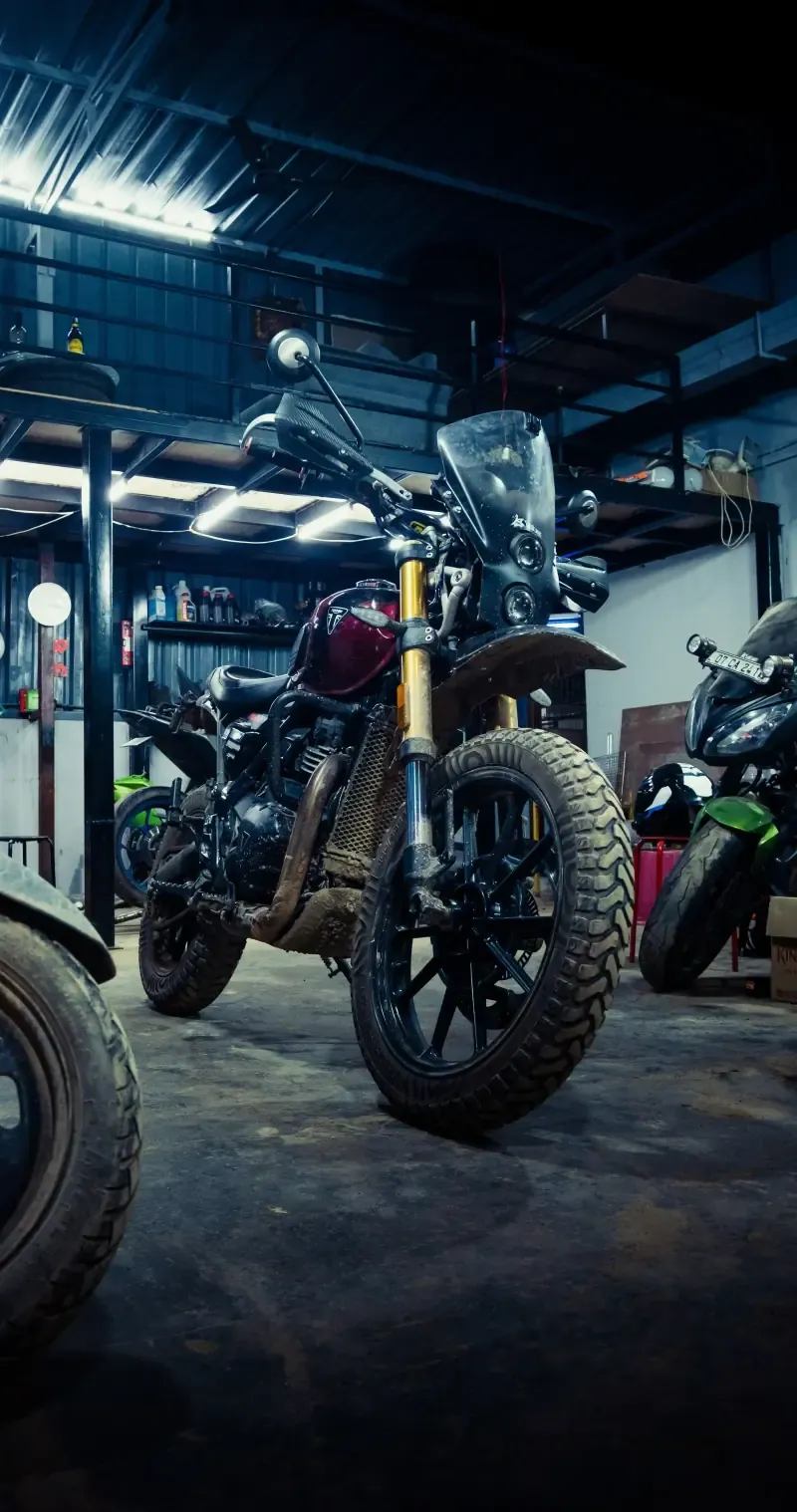
What motorcycle modification can include
LS Customs focuses on changes that can be designed, fitted and checked as one coherent workshop job.
A modification brief may begin with rear-end cleanup, a tail tidy, number-plate mounting, separate or integrated indicators, lighting placement, custom brackets, hardware changes or a broader visual refinement. Fabrication and fitment decisions are connected: a part that photographs well but blocks service access, strains wiring or interferes with suspension travel is not a finished solution.
The workshop can also discuss performance-led work, ECU mapping, dyno tuning, race preparation and custom parts. Those are separate scopes because the checks, supporting parts and outcome measures differ from a visual modification. If a request crosses several disciplines, the job is divided into stages so decisions can be reviewed before the motorcycle is taken further apart.
- Rear-end changes: tail tidy layouts, plate and light positioning, indicator planning and bracket fitment.
- Custom hardware: workshop-led measurement, mock-up, fabrication and supplier-supported CNC production where appropriate.
- Electrical integration: routing and mounting for supported lighting changes, checked as part of the complete installation.
- Build refinement: finish, routing, clearances and small details that make several changes read as one design.
How the brief becomes a workable scope
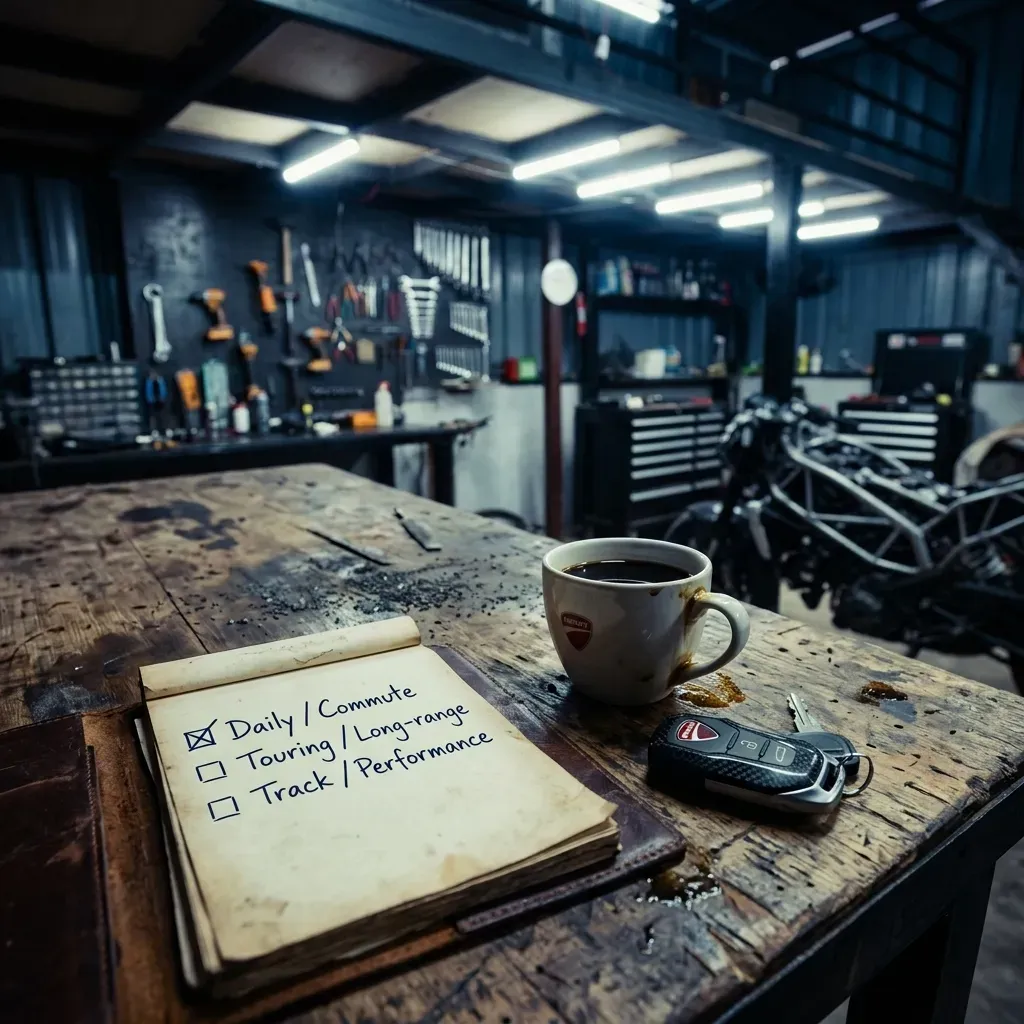
Begin with the motorcycle make, model, year and current condition. Add reference photographs and explain whether the bike is used for daily commuting, weekend rides, touring, track use or display. The same visual idea can require different choices depending on weather exposure, luggage, pillion use, service intervals and how often the motorcycle is ridden at night.
LS Customs inspects the relevant mounting points, panel gaps, wiring path, tyre and suspension clearance and access needed for later maintenance. Existing aftermarket parts are also considered because they may change the available space or create an incompatibility that is not visible in a catalogue photograph.
After that assessment, the workshop can separate essential work from optional finish upgrades. This makes the quote easier to understand and helps avoid replacing a usable component simply because it was included in an online build list.
- Send clear left, right and rear photographs if the first discussion is on WhatsApp.
- Mention existing exhaust, luggage, fender, lighting or subframe changes.
- State whether original parts need to be retained for possible reversal.
- Flag an upcoming ride or event, but wait for a confirmed workshop timeline before planning around it.
The LS Customs modification process
The usual sequence is inspection, scope, mock-up, fabrication or parts preparation, installation and final checks. Not every project needs every stage. A supported product installation may be relatively direct; a custom one-off bracket may need additional measurement and a physical mock-up before its finish is chosen.
During installation, the workshop checks mounting security, cable and wiring routes, nearby heat sources, movement through the relevant range and access to components that will need future service. Lighting changes are checked for operation after the final routing is complete. The handover explains what changed and any usage or follow-up notes that matter to the rider.
| Stage | Workshop focus | What the rider confirms |
|---|---|---|
| Inspect | Condition, fitment, space, existing modifications | Model, year, use and the problem to solve |
| Scope | Required work, optional work, parts and dependencies | Priorities, finish preference and budget direction |
| Build | Mock-up, fabrication, routing and installation | Any visual choice that affects the final layout |
| Validate | Function, clearance, fasteners and presentation | Handover understanding and follow-up plan |
Pricing and turnaround are specific to the motorcycle
LS Customs does not publish one price for “a modification” because the label can describe anything from fitting a model-specific part to designing a one-off assembly. Cost depends on the vehicle, access, fabrication time, hardware, electrical work, finish, purchased parts and whether an earlier modification needs correction first.
Turnaround also depends on the approved scope and parts availability. Supplier-produced components, CNC work or a selected finish can add lead time outside the physical installation. The workshop confirms the current estimate after reviewing the brief; it should not be inferred from another customer’s bike or a social-media post.
Fitment, legality and practical limits
A workshop discussion is not a substitute for approval from the registration, enforcement, insurance or vehicle-manufacturer authority that applies to your motorcycle. Road-use requirements can affect number plates, lighting, indicators, exhaust and structural changes. Ask for the intended layout before approving work and independently verify any requirement that matters to registration or insurance.
Some requests may be changed, staged or declined if the available mounting points, part quality, electrical compatibility or requested outcome cannot support a dependable installation. That boundary protects the motorcycle and keeps the final scope honest. For the broader framework, read the LS Customs guide to legal bike modifications in India and check the current official source.